
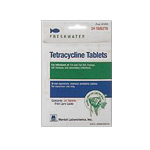
How does this medication work? What are its effects?
Tetracycline is an antibiotic used to treat certain types of bacterial infections. It is most often used to treat infections of the skin (including acne), Lyme disease and certain sexually transmitted diseases.
How should I use this medicine?
The recommended adult dose is 250 mg to 500 mg 4 times daily on an empty stomach, avoiding milk products for 2 hours before and after taking the drug. The dose may vary depending on the condition being treated and the patient's age.
Antacids containing aluminum, calcium or magnesium reduces the effectiveness of tetracycline and should therefore be avoided.
Do not throw medicines in the wastewater (eg. Not in the sink or in the toilet) or household garbage. Ask your pharmacist how to dispose of unused or expired medicines.
What form this drug is he?
Capsules
In which case this drug is it recommended?
People allergic to tetracyclines should not take this medication.
What are the possible side effects of this drug?
Gastrointestinal: As with other antibiotics, symptoms such as loss of appetite, nausea, vomiting, diarrhea, trouble swallowing and mouth sores may occur but are rarely troublesome enough to justify 'stopping the drug.
Are there any other precautions or warnings?
People who take tetracyclines are informed that the use of doxycycline during tooth development (last trimester of pregnancy, while breastfeeding immediately after birth until the age of 8 years) may cause permanent discoloration of teeth (yellow-gray-brown). Although this effect is most frequently associated with treatment with tetracycline long term, it has also been observed after taking the medication for a short period. Therefore, tetracyclines should not be used in these age groups except in cases of ineffectiveness of other drugs or if they can be prescribed.
An exaggerated reaction to sunburn may occur in some people receiving tetracyclines. People may be exposed to direct sunlight or ultraviolet light should be advised that this reaction can occur with tetracycline treatment and that treatment should be discontinued at the first blush of the skin.
Pregnancy: Tetracycline should not be taken by pregnant women unless the physician believes that the potential benefits to the mother outweigh the risks to the unborn child.
Breastfeeding: Tetracyclines are excreted in breast milk. These drugs are not recommended in women who are breastfeeding.
Taking antibiotics can sometimes cause overgrowth of organisms not killed by antibiotics used causing vaginal yeast infections in some women.
Any person with diarrhea during treatment with tetracyclines should consult a doctor.
The patient should not consume dairy products within 2 hours before or after taking the drug.
Antacids containing aluminum, calcium or magnesium reduce efficacy and should therefore be avoided.
Other drugs could interact with this medicine?
Tetracyclines can interact with a number of drugs. It is important that patients inform any health care professional about all the medicines he takes, including those that can be obtained without prescription.